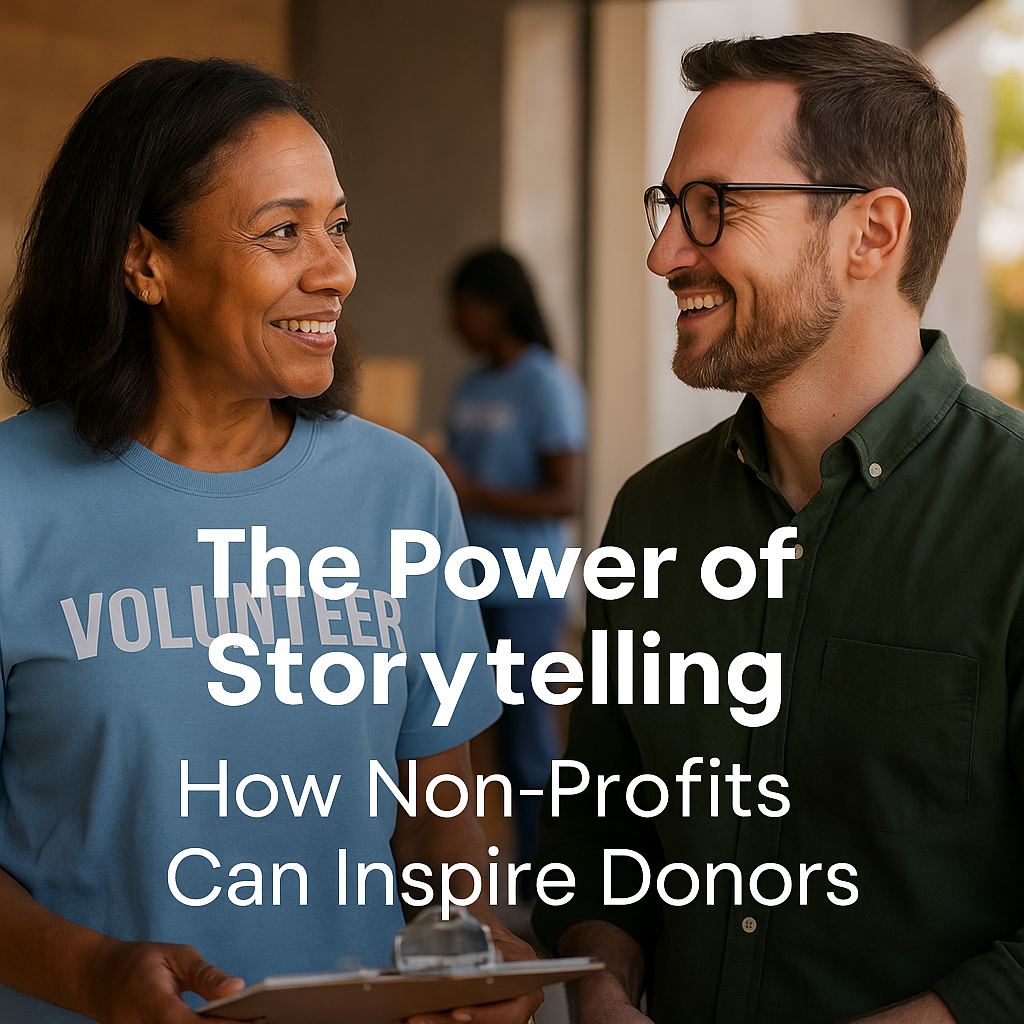

The Vivid Perspective Series, Content & Storytelling That Connects – Part 1 of 4

Why Storytelling Is Every Non-Profit’s Superpower
In an era where attention is fleeting and generosity competes with daily noise, the organizations that rise above the clutter aren’t necessarily the ones with the biggest budgets—they’re the ones that tell the best stories. Donors no longer give simply because a cause is worthy; they give because they feel something. Storytelling transforms statistics into significance, helping people see the faces, journeys, and triumphs behind every mission. For non-profits, today and beyond, the ability to tell authentic, emotionally resonant stories isn’t a luxury—it’s a growth strategy.
The Psychology Behind Donor Connection
Human beings are wired for stories. Neuroscientists have shown that compelling narratives activate the same brain regions as real experiences, triggering empathy, trust, and memory retention. For donors, this means a story can transform giving from an intellectual choice into an emotional one. When your message shifts from “we need funding” to “here’s how your gift changes lives,” you tap into what truly motivates human generosity.
Quick Insight:
- Emotion drives action. Data informs, but emotion converts.
- Relatability builds trust. Donors want to see themselves in the story.
- Resolution creates satisfaction. Showing measurable impact closes the emotional loop.
What Makes a Non-Profit Story Compelling
Every successful non-profit story has three universal ingredients: clarity, authenticity, and impact.
- Clarity ensures your audience immediately understands the mission and the problem you solve.
- Authenticity means sharing real voices and genuine experiences rather than polished marketing copy.
- Impact shows tangible transformation—what life looked like before and after donor involvement.
St. Jude Children’s Research Hospital is a master at this trifecta. Its donor communications focus less on medical jargon and more on children’s courage, parents’ hope, and doctors’ breakthroughs—turning clinical success into human triumph.
Turning Beneficiaries into Heroes
The most powerful stories don’t position the organization as the hero; they position the beneficiary as the protagonist and the donor as the enabler of change. This shift—from institution-centric to people-centric storytelling—creates empathy and ownership.
Consider Habitat for Humanity. Instead of spotlighting the organization’s efficiency, it features families handing over keys to their new homes. The emotional resonance doesn’t come from the number of houses built—it comes from seeing a family’s relief and pride.
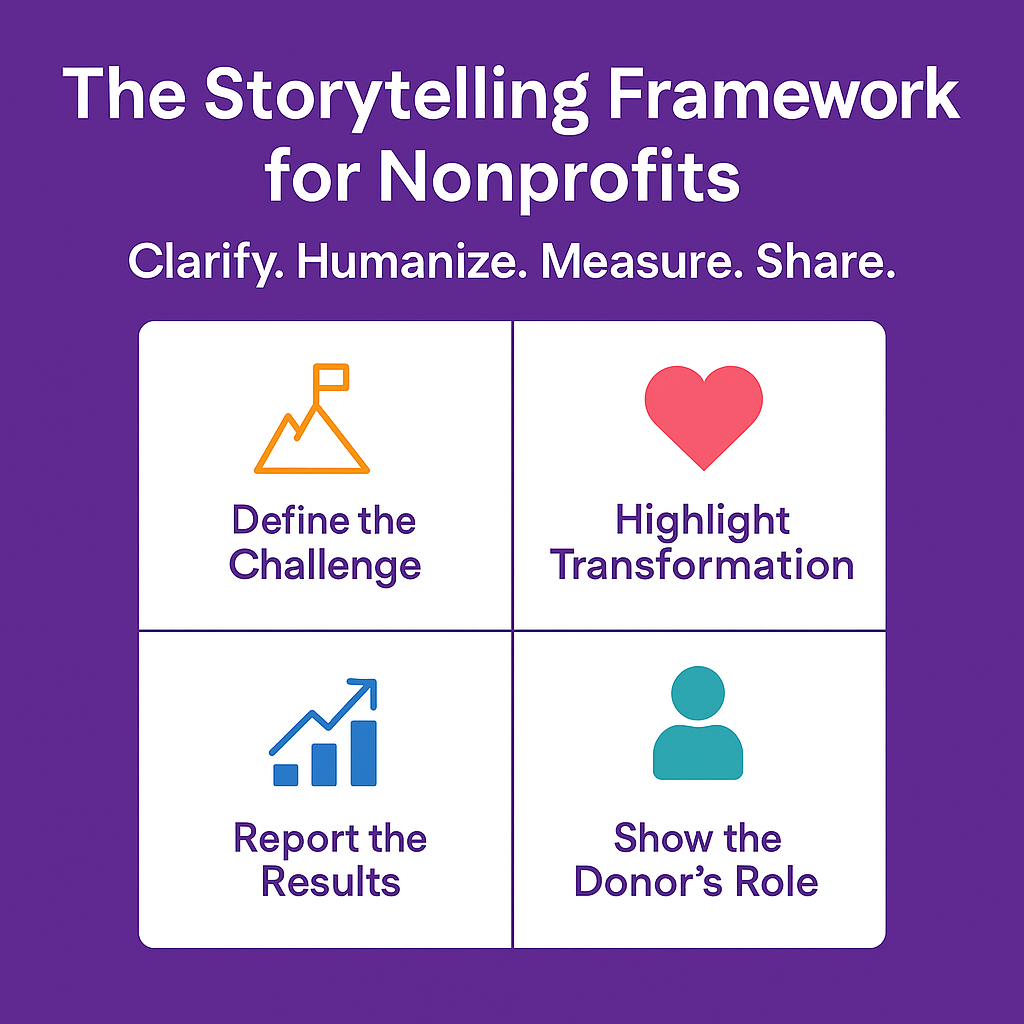
Storytelling Framework:
- Introduce the challenge (a relatable human problem)
- Highlight the transformation (specific, sensory details)
- End with gratitude (acknowledging the donor’s role in the victory)
Visual Storytelling and the Role of Imagery
A single photograph can convey more emotion than a thousand words of copy. High-impact visuals—images, short videos, or infographics—help donors visualize the change they create. A 2025 Nonprofit Marketing Benchmark Report showed campaigns using photo essays and micro-videos achieved 40 % higher engagement than text-only appeals.
Best Practices:
- Feature authentic, high-resolution images of real people, not stock photos.
- Maintain consistent brand colors and fonts across visuals for trust.
- Use captions that extend the narrative instead of restating it.
Data and Storytelling: A Winning Combination
Emotion opens the door, but evidence keeps it open. Integrating storytelling with transparent metrics reassures donors that their contributions matter. Charity: Water excels here: each donor receives GPS coordinates and updates showing exactly where their dollars built water-wells. The story starts with human need, continues with donor involvement, and concludes with measurable results.
Combine Emotion + Evidence:
- Introduce the personal story first.
- Layer in statistics that validate the need.
- Conclude with transparent reporting of outcomes.
Building a Library of Stories
One challenge non-profits face is consistency—how to keep stories fresh throughout the year. The solution is to create a story bank: a shared repository of quotes, photos, testimonials, and milestones organized by theme. This makes it easy to match the right story to each campaign, grant proposal, or donor segment.
Steps to Build Your Story Bank:
- Interview program participants quarterly.
- Collect multimedia assets (photos, short videos, voice clips).
- Tag stories by category: impact, partnership, volunteer, success, need.
- Obtain written consent for usage to ensure privacy compliance.
Training Staff and Volunteers to Tell the Story
Every team member—from board members to front-line volunteer—is a potential brand ambassador. Equip them with simple talking points, a shared vocabulary, and confidence to share impact moments naturally. Internal storytelling workshops or brown-bag lunch sessions can help align voices.
Tip: Use the “elevator story” exercise—can staff summarize your mission and one life-changing outcome in 60 seconds or less? If not, more training is needed.
Donor Segmentation and Personalized Narratives
Not all donors are motivated by the same story. Segmenting audiences by donor type—major givers, monthly supporters, corporate partners—allows you to tailor narratives. For example:
- Major donors want stories tied to long-term legacy and measurable ROI.
- Monthly donors value ongoing updates and consistent progress.
- Corporate partners look for alignment with brand values and community impact.
Marketing automation platforms now make personalization easier, but authenticity should always trump automation. Use technology to deliver, not to dilute, your humanity.
Storytelling Across Digital Channels
Your website, social media, and email are not separate silos—they’re chapters of one cohesive narrative.
- Website: Host an “Impact Stories” section with searchable categories.
- Email: Begin each newsletter with a story, not an announcement.
- Social Media: Break long stories into mini-series using reels, carousels, and quotes.
A Kansas City-based youth mentorship nonprofit recently increased recurring donations by 27 % simply by repurposing one participant’s story across Instagram, LinkedIn, and its newsletter, reinforcing consistent emotional touchpoints.
Ethical Storytelling: Dignity Above All
Authentic storytelling demands ethical responsibility. Never exploit pain for sympathy. Ensure subjects understand how their stories will be shared and portrayed. The Trevor Project, for example, protects anonymity in sensitive youth cases while still conveying hope and impact through composite storytelling. Dignity builds donor trust—and trust drives longevity.
Checklist for Ethical Storytelling:
- Obtain informed consent and explain intent.
- Avoid sensationalism; focus on empowerment.
- Share follow-ups showing sustained progress.
Measuring the Impact of Storytelling
What gets measured gets improved. Evaluate storytelling effectiveness using both quantitative and qualitative metrics:
- Engagement rates (clicks, shares, video views)
- Conversion rates (donations, volunteer sign-ups)
- Donor feedback (“What inspired you to give?”)
- Retention over time (did the story inspire repeat giving?)
- Establish a quarterly review meeting to analyze story performance and refresh strategy accordingly.
Bringing It All Together
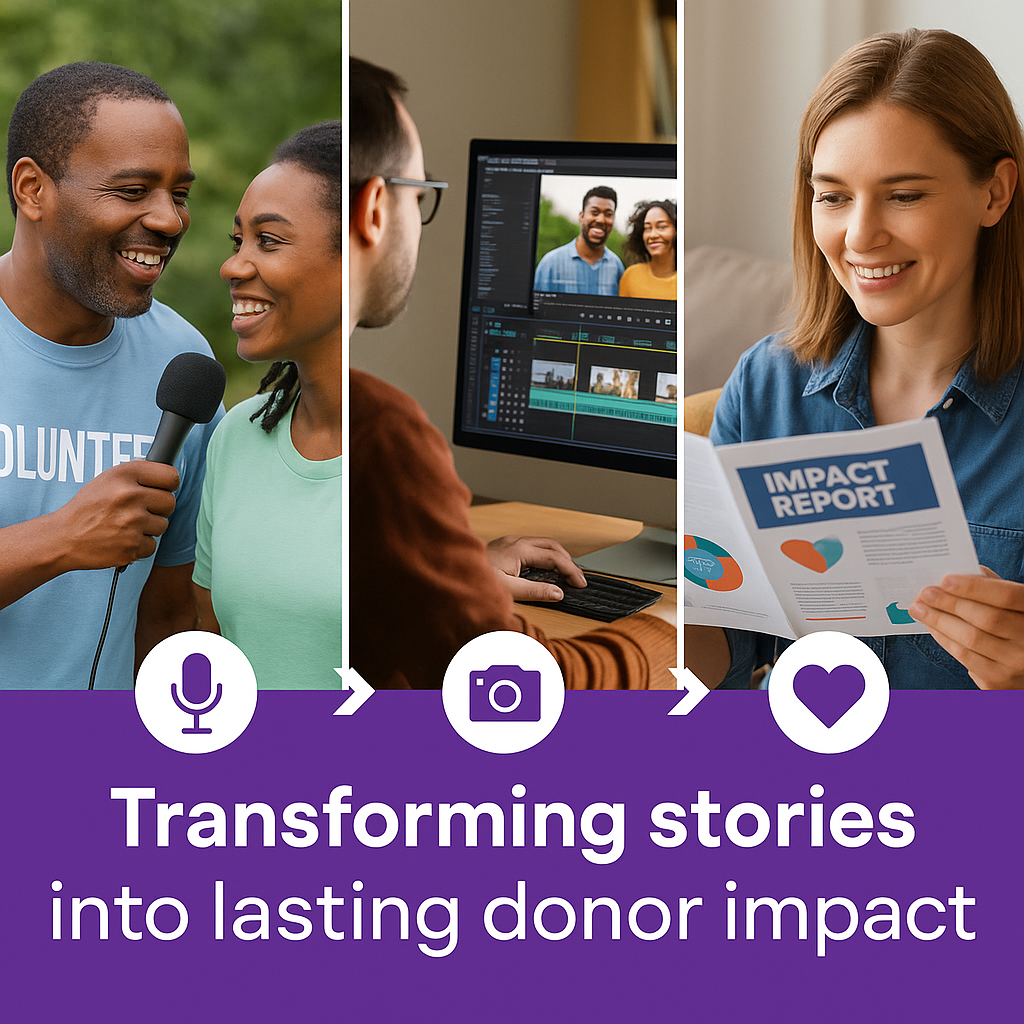
When a story is rooted in authenticity, supported by data, and delivered consistently across platforms, it becomes more than a marketing tactic—it becomes your organization’s heartbeat. Storytelling helps donors see their reflection in your mission. It builds relationships that outlast campaigns and inspires giving that sustains impact for years.
Partner with Vivid Creative Services
If your organization is ready to create content that connects—and converts—explore Storytelling That Converts: A Playbook + Toolkit for Purpose-Driven Brands.
Need help planning or executing your content strategy? Contact Vivid Creative Services to get started.