

The Vivid Perspective Series, Content & Storytelling That Connects – Part 3 of 4

The Hidden Potential in Every Blog Post
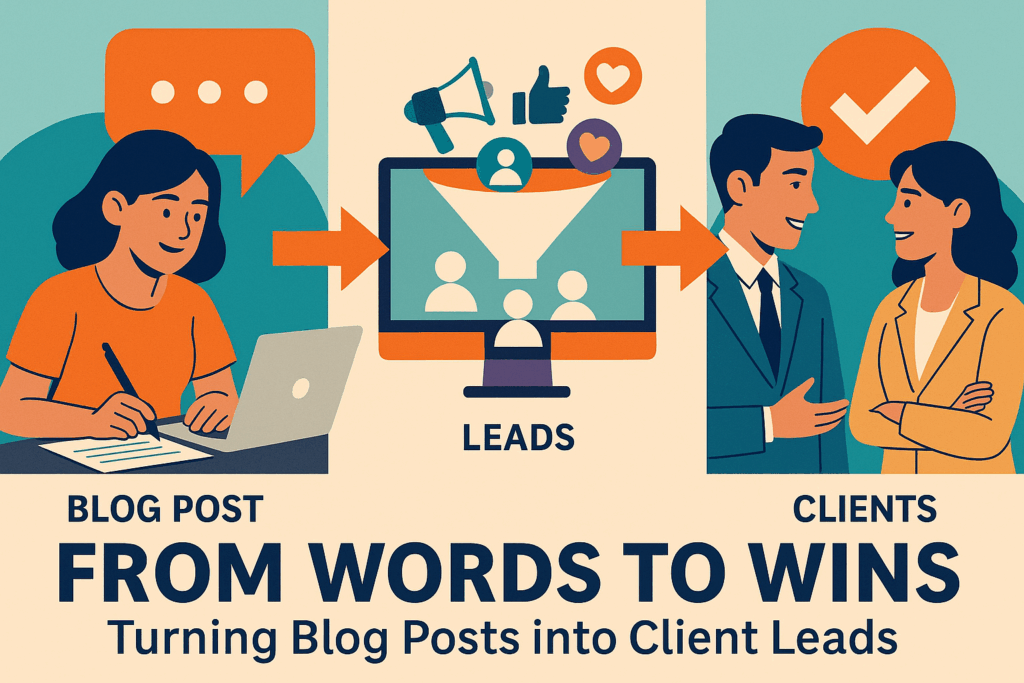
Most organizations publish blogs because they know they should. But few realize what those stories could truly achieve when written strategically. A well-crafted blog post isn’t just
content—it’s a silent salesperson, relationship builder, and credibility engine working for your brand 24/7. When done right, each post attracts new visitors, nurtures trust, and guides readers toward becoming customers or donors. Today, the difference between content that gets read and content that converts lies in strategy, structure, and storytelling.
The Mindset Shift: From Blogging to Lead Generation
Blogging for awareness is good—but blogging for action is better. Instead of asking, “What should we write this week?” ask, “What decision do we want our reader to take after reading this?”
To build a conversion mindset:
- Write every post with a clear next step (download, subscribe, inquire, schedule).
- Focus on solving your reader’s most urgent problem.
- Use your expertise to guide, not sell.
- Make the path to action simple, obvious, and rewarding.
When readers feel understood and empowered, conversion becomes a natural outcome.
Know Your Audience—Deeply
Content that converts begins with empathy. You can’t persuade someone if you don’t know their goals, fears, or motivations. Use surveys, analytics, and social insights to build detailed audience personas.
Three key audience insights to define before you write:
- Pain Points: What’s keeping them up at night?
- Desired Transformation: What will success look or feel like for them?
- Decision Triggers: What information or reassurance moves them to act?
Once you understand these, your content becomes a conversation instead of a broadcast.
Crafting Content with Purpose and Precision
Each blog post should have one purpose: to move your reader one step closer to engagement. Clarity is power. Don’t overload a single post with too many calls to action or multiple audiences.
Big 5 Structure for high-performing blogs:
- Headline that hooks: Focus on benefit, not topic.
- Opening paragraph that empathizes: Reflect the reader’s situation.
- Value-driven insights: Share expertise and demonstrate authority.
- Actionable takeaway: Provide a quick win or practical tip.
- Conversion bridge: End with a next step—link, offer, or invitation.
Your audience should leave each post with one clear thought: “I trust this organization and want to learn more.”
The Power of SEO and Storytelling Combined
Search optimization (SEO) gets readers in the door. Storytelling keeps them there. Blogs that convert balance keyword strategy with human engagement.
Example: Instead of a headline like “Tips for Choosing a Cleaning Service,” try “How One Kansas City Family Found Relief with the Right Cleaning Partner.” The second version uses a story angle and local keyword to improve both click-through and emotional resonance.
Best Practices:
- Use long-tail keywords naturally within the story.
- Optimize meta descriptions with action-oriented language.
- Include local SEO elements if you serve regional audiences.
- Ensure internal links guide readers toward conversion pages (service, contact, playbook).
The Trust Factor – Consistency and Credibility
Readers convert when they believe in your credibility. That belief builds through consistent voice, quality visuals, and proof of expertise. Include real examples, case results, testimonials, and behind-the-scenes insights in your blogs.
Trust Builders:
- Publish on a predictable schedule.
- Link to credible sources.
- Use original photography or branded visuals.
- Maintain a professional yet conversational tone.
Consistency is your silent credibility marker—it shows reliability before the reader ever contacts you.
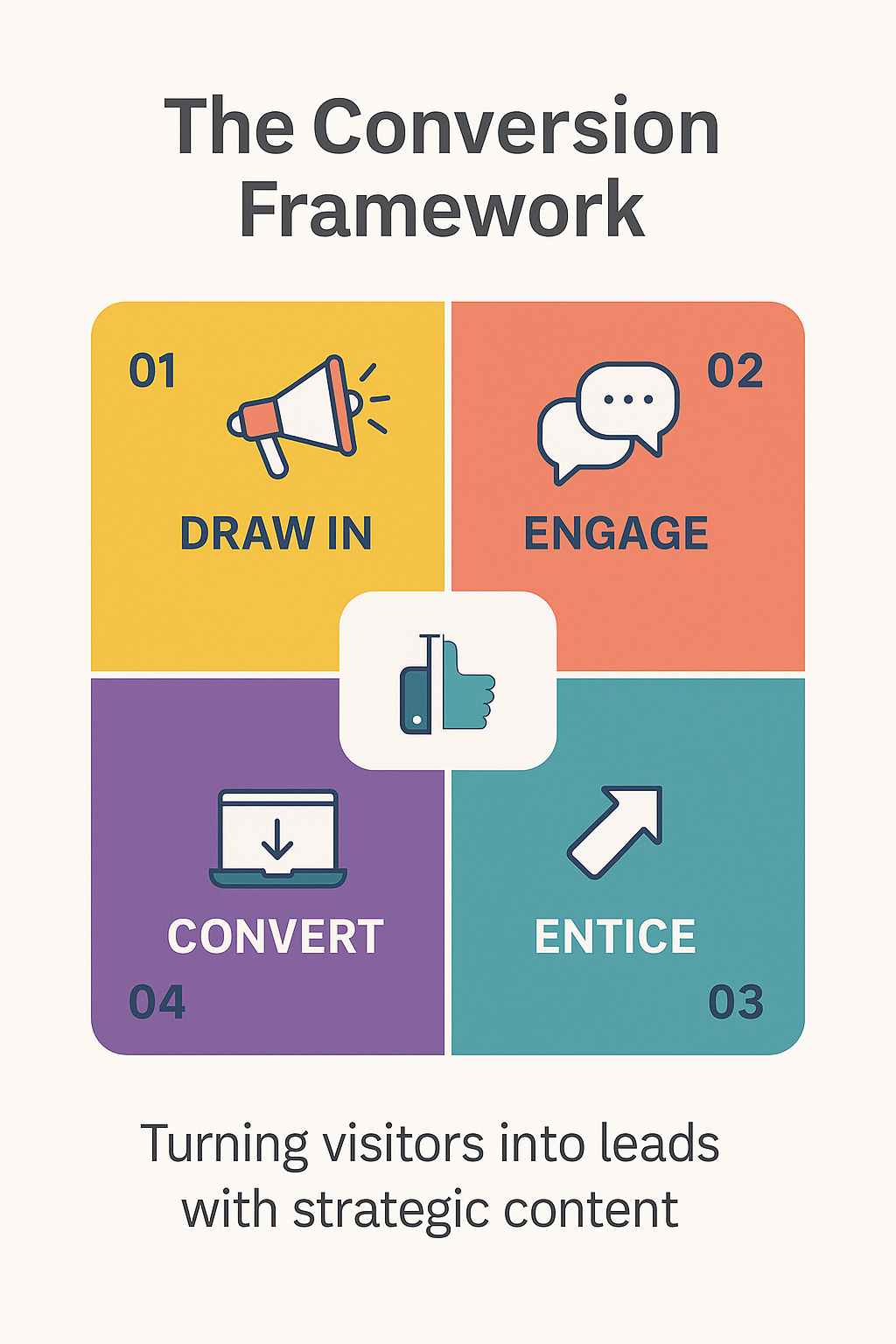
Converting Readers Through Story-Driven CTAs
A call to action (CTA) isn’t just a line at the bottom, it’s the emotional handshake between your brand and the reader. Strong CTAs are story-driven, not sales-driven.
Examples:
Instead of: “Contact us today.”
Try: “Let’s explore how your story could inspire customers.”
Instead of: “Book a consultation.”
Try: “Ready to turn your content into a lead-generating asset? Let’s talk.”
CTAs work best when they feel like a continuation of the story, not an interruption.
Using Blog Posts as Lead Magnets
Every blog can be a gateway to your marketing funnel. Add downloadable resources, email opt-ins, or exclusive insights to transform readers into subscribers.
Conversion Opportunities to Include:
- A free guide or toolkit (e.g., “5 Steps to Building Your Brand Story”)
- An embedded form for Discovery Session scheduling
- Interactive polls or quizzes that segment your audience
- A newsletter invitation that continues the story
By integrating small but strategic lead magnets, your blogs start generating results with minimal additional cost.
The Power of Story Analytics
Measuring the right metrics ensures that your storytelling decisions are data-driven, not guesswork. Don’t just track traffic—track engagement and conversion.
Top metrics that matter:
- Click-through rate (CTR) to your CTA or next step.
- Scroll depth (how much of the post was read).
- Time on page (reader interest).
- Form submissions, downloads, and contact inquiries.
Use Google Analytics and your CRM to connect content behavior with business results. Over time, patterns will reveal which story formats and tones convert best.
Real-World Example: From Blog to Business
A regional landscaping company published a story titled “From Patchy Lawns to Perfect Greens: How One Homeowner Transformed Their Yard.”
The article used real photos, customer quotes, and a simple CTA inviting readers to request a “Yard Assessment.”
Within 90 days, the post became the company’s top lead generator, producing 32 consultation requests and over $20,000 in new contracts.
That’s the power of content that converts.
Maintaining Momentum with an Editorial Strategy
Consistency turns results into revenue. Build a content calendar aligned with your audience’s decision journey—awareness, consideration, and conversion. For example:
- Awareness Posts: Educational “how-to” or “why it matters” content.
- Consideration Posts: Case studies, testimonials, comparisons.
- Conversion Posts: Action-focused stories with strong CTAs.
When planned strategically, your blog becomes an integrated part of your sales process—not an afterthought.

Turning Your Words into Wins
The best content doesn’t just inform—it invites action. Every blog post is an opportunity to prove value, build trust, and nurture new relationships. When your content strategy connects story, structure, and strategy, your blog becomes your most powerful inbound marketing tool.
Your content should work as hard as you do. Learn how to create story-driven messages that influence and inspire inside Storytelling That Converts: A Playbook + Toolkit for Purpose-Driven Brands.
Need strategic direction? Contact Vivid Creative Services for expert storytelling and content development support.