

The Vivid Prospective Series: Visual Branding 2 of 4

Introduction: Why Your Logo Is More Than Just a Design
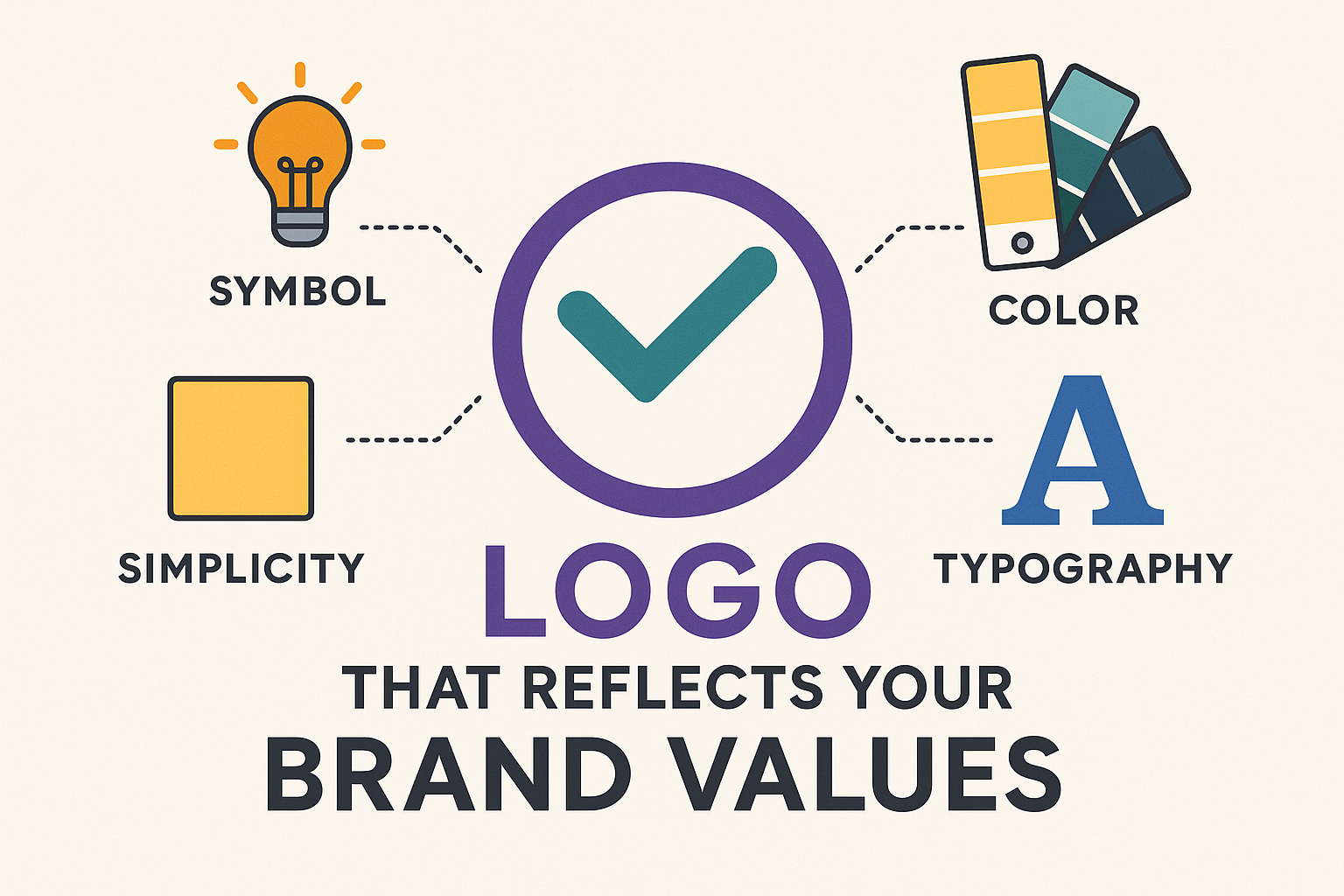
A logo is often the first visual interaction someone has with your brand. It’s not just a graphic, it’s a symbol that encapsulates your values, communicates your identity, and creates lasting recognition. For organizations aiming to build trust and authenticity, a logo must go beyond aesthetics. It should serve as a meaningful representation of what your brand stands for, ensuring audiences connect emotionally and intellectually. In this article, we explore how to design a logo that authentically reflects your brand values and strengthens your visual identity.
The Logo as the Face of Your Brand
Your logo is the face of your brand; it’s how people instantly identify who you are and what you represent. When audiences see a logo, they make judgments within seconds about your credibility, relevance, and personality. Think of the Nike swoosh: it represents movement, speed, and athleticism, perfectly aligned with the company’s values of performance and empowerment. A well-designed logo condenses your mission, vision, and values into a single image. More than just a mark, it’s a visual handshake that introduces your brand to the world.
Once we recognize the logo’s role as a brand ambassador, the next step is understanding how to root it in values.
Rooting Logo Design in Brand Values
Logos should not be designed in isolation; they must be anchored in your brand’s core values. Values like innovation, sustainability, community, or excellence should guide the design choices. For instance, a company that values sustainability may lean toward organic shapes, earth tones, and minimalist design, while a tech startup might embrace sleek lines and futuristic fonts. Values provide direction for color palettes, typography, and iconography. Without this connection, logos risk becoming generic, disconnected, or even misleading. Grounding design in values ensures authenticity and resonance.
With values as the foundation, the next consideration is simplicity—because simplicity makes logos timeless.
The Power of Simplicity
The most effective logos are often the simplest. Complex designs may look impressive, but they’re harder to recognize, remember, and reproduce. Apple’s clean apple silhouette is iconic precisely because of its simplicity. Simplicity allows a logo to adapt across mediums—from billboards to app icons—without losing clarity. More importantly, a simple design communicates values more directly and memorably. When audiences can instantly recognize your logo, they’re more likely to internalize your values. Simplicity not only reflects clarity but also strengthens long-term recognition.
While simplicity is key, thoughtful use of symbolism takes your logo from simple to meaningful.
Using Symbolism to Reflect Values
Symbols are powerful because they carry meaning beyond words. A logo that incorporates symbolic elements can quickly convey values to audiences. Consider the World Wildlife Fund’s panda: it symbolizes endangered species, aligning directly with their conservation mission. Similarly, Airbnb’s “Bélo” symbol represents belonging, tying back to the brand’s core promise of community and connection. Choosing symbolic imagery aligned with your values makes the logo more than an image, it becomes a vessel of meaning. When done right, symbolism bridges the gap between visuals and values.
Beyond symbols, every detail matters—including colors, which carry their own psychology.
Color Psychology in Logo Design
Colors evoke emotions and perceptions that reinforce values. Blue communicates trust, red conveys passion, green signals sustainability, and yellow suggests optimism. For example, financial institutions often rely on blue logos to reflect stability and trustworthiness, while brands like McDonald’s use red and yellow to evoke energy and happiness. Selecting colors for your logo should be an intentional reflection of your values, not just personal preference. The right palette creates immediate alignment between what you stand for and how audiences feel about you.
Typography is equally important, as it shapes the tone of your brand voice visually.
Typography as a Visual Expression of Values
Fonts are not neutral; they communicate personality and values. A bold, modern sans-serif typeface may reflect innovation and strength, while a script font might communicate elegance or creativity. For instance, Coca-Cola’s flowing script logo conveys tradition and nostalgia, while Google’s clean, playful typeface reflects accessibility and friendliness. Choosing typography should be more than an aesthetic decision; it should be a strategic one rooted in values. Typography, when paired with color and symbolism, becomes an integral piece of your brand’s visual language.
To see how all these elements come together, let’s consider the role of adaptability.
Designing for Adaptability and Versatility
Your logo must work across all platforms and formats, from social media icons to large-scale print campaigns. A logo that reflects your values in one medium but becomes unrecognizable in another fails its mission. Think of how FedEx’s logo works seamlessly on trucks, envelopes, and apps—it remains legible and symbolic everywhere. Adaptability ensures that your logo consistently communicates values across touchpoints. Versatility is not optional; it’s essential in a multi-platform world.
Now that we’ve covered the components, let’s review how brands have succeeded in aligning logos with values.
Case Study: Patagonia – Sustainability in Design
Patagonia’s logo offers a powerful case study in values-driven design. The mountain silhouette directly reflects its outdoor focus, while the bold typography communicates strength and durability. Most importantly, it symbolizes the brand’s unwavering commitment to environmental stewardship and adventure. The logo’s simple yet symbolic design has become synonymous with sustainability and ethical business practices. Patagonia’s logo is proof that when values guide design, the logo becomes inseparable from the mission itself.
Patagonia’s example underscores the importance of intentional design—but how do you ensure your logo lasts?
Longevity and Timelessness in Logo Design
A strong logo should stand the test of time. While trends come and go, values remain consistent. Designing a timeless logo means avoiding overly trendy fonts or gimmicky symbols. Instead, focus on simplicity, adaptability, and values alignment. Consider IBM’s logo, virtually unchanged for decades, representing innovation and stability. Timeless logos allow organizations to evolve while maintaining continuity with their core values. Investing in timeless design ensures your logo remains relevant as your mission grows.
With all these insights in mind, let’s close by looking at how you can apply them to your brand.
Designing Logos That Tell a Story of Values
Your logo is more than a visual mark—it’s a story, a promise, and a symbol of your values. By rooting your design in brand values, embracing simplicity, leveraging symbolism, and applying intentional choices in color and typography, you create a logo that is authentic and memorable. Case studies like Patagonia, WWF, and Nike demonstrate the lasting impact of value-driven design. Ultimately, a great logo doesn’t just represent your brand, it reflects your mission and inspires connection.
A great logo isn’t just design—it’s your story, simplified into a single mark.
👉 Discover how to translate your values into visuals with Visual Branding Works: A Real-World Playbook & Toolkit for Stronger Identity, your hands-on guide to building a professional, consistent, and unforgettable brand.
Prefer a done-for-you approach? Contact Vivid Creative Services to design a logo and identity system that powerfully communicates your brand’s values.