

Digital Marketing Strategies – Part 3 of 4
Why SEO Still Matters for Small Businesses
If your business isn’t showing up in search results, you’re invisible to a major segment of potential customers. Search Engine Optimization (SEO) is one of the most powerful digital marketing tools available—and it’s especially valuable for small businesses looking to compete with larger brands. The good news? You don’t need a huge budget or technical team to start climbing the rankings.
SEO is all about making it easy for people—and search engines—to find and understand your business online. When done right, it can drive steady, organic traffic to your website, improve brand credibility, and bring in high-intent visitors ready to take action.
On-Page SEO: Optimize What You Own
On-page SEO refers to everything you can control on your website to improve its visibility in search engines. Start by doing keyword research—what phrases are your ideal customers actually typing into Google? Tools like Google Keyword Planner, Ubersuggest, or even typing into Google Search and reviewing the auto-suggestions can help you identify relevant terms. Once you have your target keywords, integrate them naturally into your page titles, meta descriptions, headers, and body content.
But SEO isn’t just about keywords—it’s about user experience. Your website should load quickly, be mobile-friendly, and have clear navigation. Break up long blocks of text with headers, bullets, and images. Use internal links to guide readers to other helpful pages on your site, and ensure each page has a unique meta description that clearly summarizes what visitors can expect. These seemingly small adjustments can significantly improve your rankings and keep visitors engaged longer.
Local SEO: Get Found in Your Community
For small businesses, local SEO is essential. It ensures that your business appears when people search for services “near me” or in your city. The first step? Claim and optimize your Google Business Profile (formerly Google My Business). Make sure your contact information, hours of operation, and business category are accurate. Add high-quality photos of your storefront, products, or team. Encourage satisfied customers to leave reviews—and respond to those reviews to show you’re engaged.
Include your location in key parts of your website, such as your homepage title, meta description, and footer. If you serve multiple areas, consider creating location-specific landing pages with tailored content. Also, be consistent with your Name, Address, and Phone Number (NAP) across all online listings—from Yelp to your local Chamber of Commerce directory. Google rewards consistency and relevance when ranking businesses locally.
Easy-to-Implement SEO Tips for Beginners
Getting started with SEO doesn’t have to be overwhelming. Here are some actionable tips small businesses can implement without a dedicated SEO team:
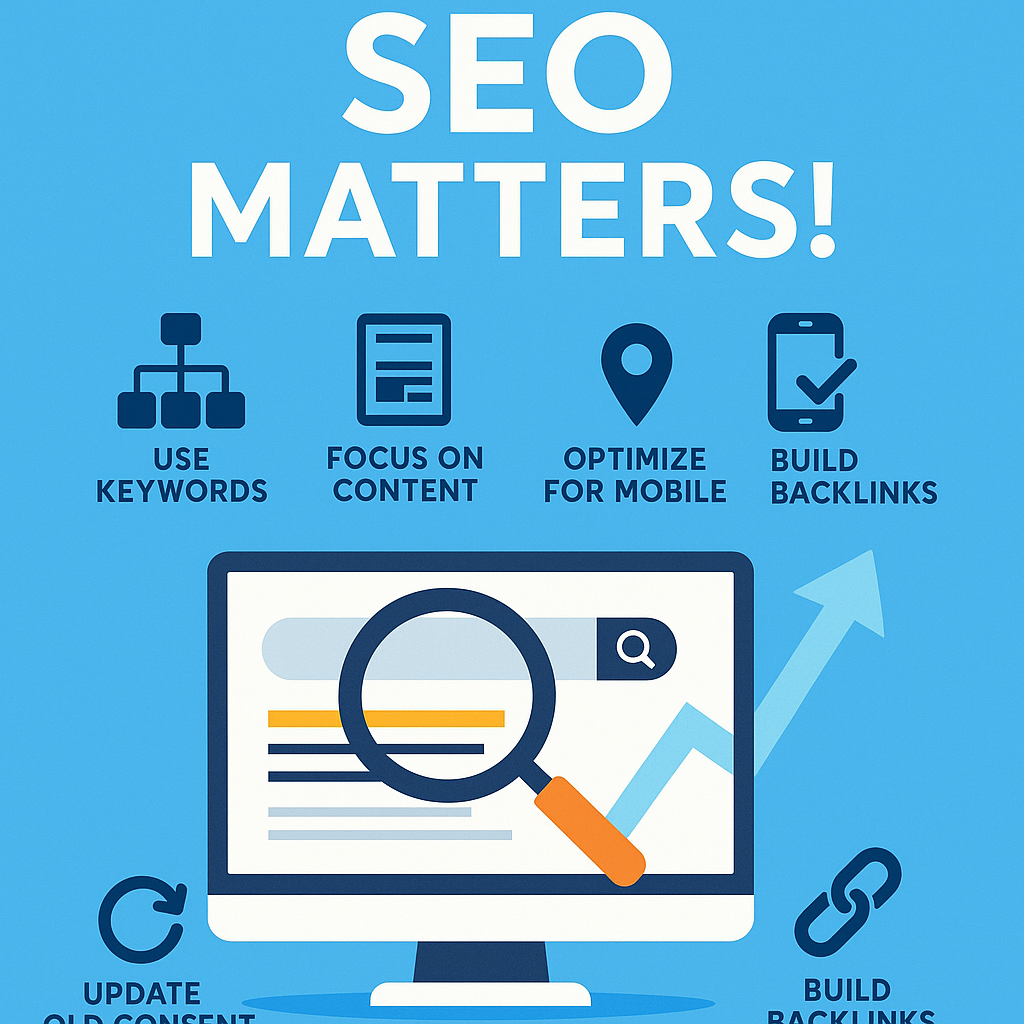
7 Simple SEO Tips to Boost Your Small Business Rankings
1. Use Keywords Strategically – Include your main keyword in your page title, meta description, header (H1), and at least once in the first paragraph. But avoid keyword stuffing—keep it natural and user-friendly.
2. Focus on Quality Content – Create blog posts, FAQs, and service pages that answer the questions your audience is searching for. Valuable, well-written content increases time on site and builds trust.
3. Optimize for Mobile Devices – Google prioritizes mobile-friendly websites in search results. Use responsive design so your site looks great on all screen sizes.
4. Improve Page Load Speed – Compress images, use a reliable hosting provider, and eliminate unnecessary plugins to reduce load time. A faster site = better rankings and user experience.
5. Add Alt Text to Images – Alt text describes what an image is about and helps Google understand your content. It also improves accessibility for users with visual impairments.
6. Build Backlinks – Ask partners, local blogs, or directories to link back to your website. Backlinks signal authority and improve your SEO credibility.
7. Update Old Content – Keep your content fresh by regularly reviewing and updating older pages and blog posts. Add new links, correct outdated info, and refresh your metadata.
Make SEO Part of Your Ongoing Strategy
SEO is not a one-time task—it’s an ongoing effort. Algorithms evolve, competitors optimize, and customer behavior shifts. That’s why it’s important to check your website analytics regularly. Use Google Search Console to monitor what keywords are driving traffic and identify any issues. Use Google Analytics to track which pages have high bounce rates or low time-on-page. These insights can help you refine your content, fix technical issues, and improve your site structure over time.
Incorporate SEO into your broader content strategy by planning blog topics around relevant keywords or seasonal trends. For example, if you’re a local boutique, write a post on “Best Holiday Gift Ideas in [Your City]” to capture local and timely searches. When you align your SEO efforts with real business goals, your online visibility—and your impact—grows.
Be Discoverable—Without the Guesswork
At its core, SEO is about making it easy for people to find you when they need you most. And while it can feel technical or overwhelming at first, small, consistent steps go a long way. By focusing on strong content, local visibility, and user experience, small businesses can compete online and show up exactly where and when their audience is searching.
Your audience is searching. Let’s make sure they find you. The Digital Marketing Works Playbook & Toolkit gives you the tools to show up and stand out.
📘 Buy the Playbook and get keyword planners, SEO blog templates, and performance trackers, or 🤝 Contact Vivid Creative Services to improve your visibility with a strategy tailored to your brand.