


The Vivid Perspective: Insights on Branding, Marketing & Storytelling Series: Building Strong Brand Foundations – Part 4 of 4

The Risk and Reward of Rebranding
Rebranding can be one of the most powerful strategies for growth — or one of the riskiest moves an organization can make. A successful rebrand can rejuvenate a business, expand its audience, and strengthen its positioning. But when executed poorly, it can alienate loyal customers and damage credibility. When customer trust is harder to earn and easier to lose, rebranding requires strategy, sensitivity, and precision. This blog explores how to rebrand without losing your audience, ensuring that your transformation builds on loyalty rather than erasing it.
Why Organizations Rebrand
Organizations pursue rebranding for many reasons: mergers and acquisitions, outdated visuals, evolving missions, or shifts in target audience. Sometimes, it’s about correcting past mistakes; other times, it’s about staying relevant in a changing marketplace. The key is clarity — knowing why you are rebranding and what you want the outcome to be. Without a clear rationale, rebranding becomes cosmetic rather than strategic. When audiences sense that a rebrand is superficial, they lose confidence. Before you change logos or taglines, you must first define the deeper business objective behind the rebrand.

The Importance of Communicating With Your Audience
Transparency is crucial when rebranding. Audiences are naturally wary of change — especially when they’ve built an emotional connection to your brand. That’s why communication must be proactive, not reactive. Share the reasons behind your rebrand, explain what will change (and what won’t), and reassure customers that their needs remain your top priority. By bringing your audience along on the journey, you transform potential resistance into engagement. Rebranding is not just a design exercise; it’s a storytelling opportunity that reinforces your values and your long-term vision.
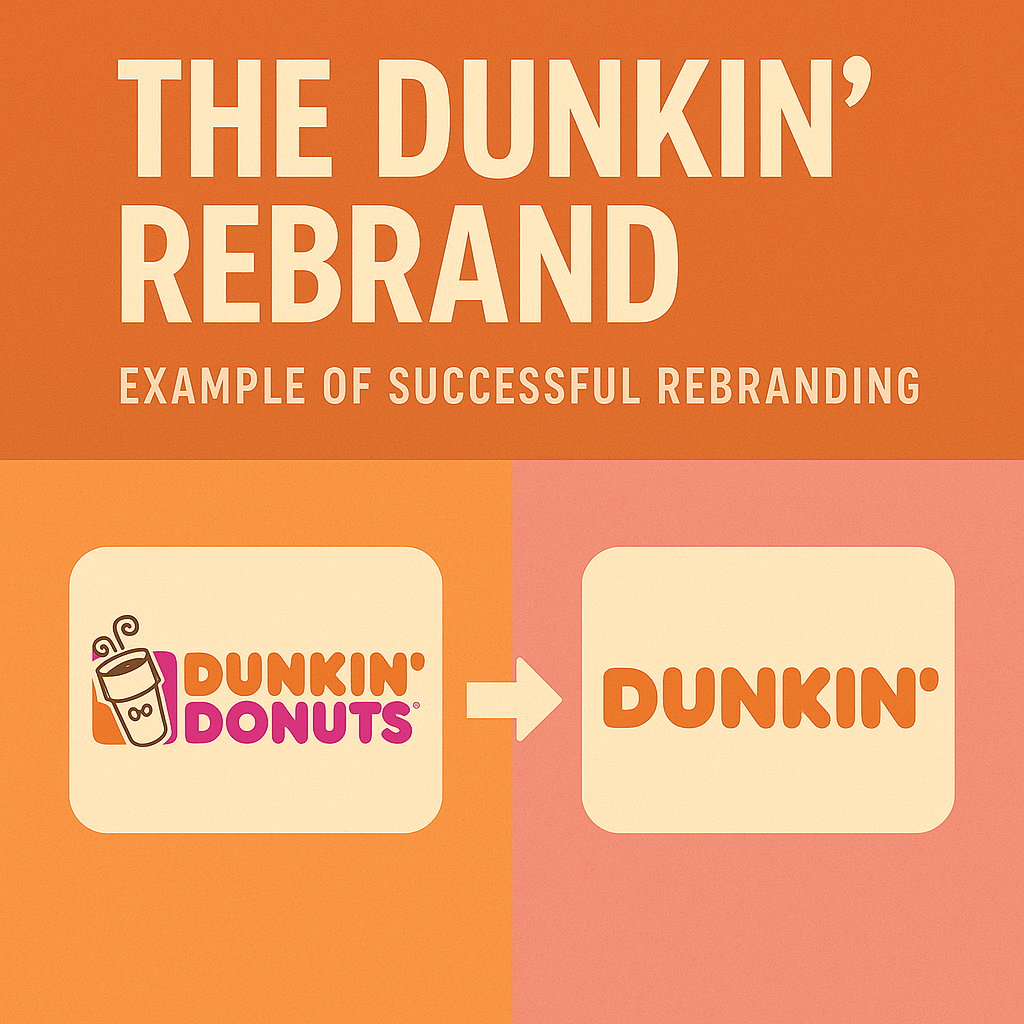
Real-World Example: Dunkin’ Drops “Donuts” Without Losing Loyalty
A powerful example of rebranding done right comes from Dunkin’. In 2019, the company dropped “Donuts” from its name to reflect its broader menu of coffee and beverages. Many feared that this change would confuse or alienate loyal customers who associated the brand with its signature donuts. Instead, Dunkin’ leaned into transparency. They communicated that the change wasn’t about abandoning their heritage but about expanding their future. The company invested in marketing campaigns that reassured customers: same great donuts, same culture, but with a refreshed focus. The result? The rebrand strengthened Dunkin’s positioning as a beverage leader without sacrificing its core fan base.
Strategies to Rebrand Without Losing Your Audience
Rebranding requires careful balance between innovation and continuity. Here are strategies to manage the process effectively:
- Respect Your Heritage: Retain elements of your identity that your audience values, even as you evolve.
- Test Before You Launch: Conduct surveys, focus groups, or soft rollouts to gauge reactions before a full transition.
- Involve Your Advocates: Engage loyal customers and brand ambassadors as champions of the rebrand.
- Integrate Your Story: Tie the rebrand to your brand story — explain how the new identity supports your mission.
- Phase the Rollout: Avoid abrupt changes. Gradual implementation allows customers to adapt and reduces confusion.
Each strategy ensures your rebrand feels authentic rather than forced, preserving loyalty while creating new opportunities.
The Role of Design in Rebranding
Design plays a visible role in rebranding, but visuals are only part of the story. A new logo or color palette must reflect deeper meaning and align with customer expectations. Design is about symbolism — signaling growth, change, or new direction while still evoking familiarity. For example, when Airbnb rebranded in 2014, its new logo wasn’t just a visual update; it was tied to the company’s mission of belonging. Good design in rebranding goes beyond aesthetics; it communicates your evolution in ways customers can embrace.
Common Pitfalls in Rebranding
Rebranding efforts often fail when organizations ignore their audience. Sudden changes, lack of communication, or abandoning beloved elements can trigger backlash. Another pitfall is chasing trends — adopting visual styles or language that feel current but don’t align with your long-term mission. Rebranding is not about being trendy; it’s about being timeless. Finally, businesses often underestimate the rollout process. If old branding lingers on websites, signage, or marketing materials, it confuses customers and undermines credibility. Consistency is as important in rebranding as it is in original branding.
Rebranding as Renewal, Not Replacement
Rebranding should feel like a renewal of your relationship with your audience, not a replacement of it. When guided by strategy, transparency, and respect for your heritage, rebranding becomes an opportunity to strengthen loyalty while attracting new customers. Done right, it signals growth, clarity, and confidence. Done wrong, it risks confusion and distrust. In 2026, organizations must approach rebranding not as a design project but as a credibility project.
Thinking about a rebrand? Do it with confidence. The Building Strong Brand Foundations Playbook & Toolkit walks you through every phase — from research and messaging to rollout and ROI tracking — so you can refresh your brand without losing credibility. Download the Playbook & Toolkit. Or let us guide you through the process: Schedule a consultation with Vivid Creative Services.