

The Vivid Perspective: Insights on Branding, Marketing & Storytelling Series: Building Strong Brand Foundations – Part 3 of 4

Turning Customers into Advocates
In 2026, marketing no longer belongs solely to businesses — it belongs to customers. Word-of-mouth, online reviews, and social sharing often influence purchasing decisions more than any advertisement. That’s why building a brand advocacy program is no longer optional; it’s a growth strategy. Brand advocates aren’t just satisfied customers — they are loyal supporters who actively recommend your products and defend your brand. They amplify your message, extend your reach, and build credibility with audiences who might otherwise be skeptical. The question isn’t whether you should have a brand advocacy program — it’s how to build one that works.
Why Advocacy Matters More Than Advertising
Advertising can create awareness, but advocacy builds trust. In 2026, when audiences are inundated with ads, authenticity is what breaks through. People trust other people — especially peers, colleagues, and friends — more than corporate messaging. According to Nielsen, 92% of consumers trust recommendations from people they know over all other forms of advertising. A structured brand advocacy program harnesses this dynamic by turning your most loyal customers into a powerful marketing force. Advocacy doesn’t replace traditional marketing; it multiplies its effectiveness by adding credibility and authenticity that no ad can buy.
The Core Elements of a Strong Advocacy Program
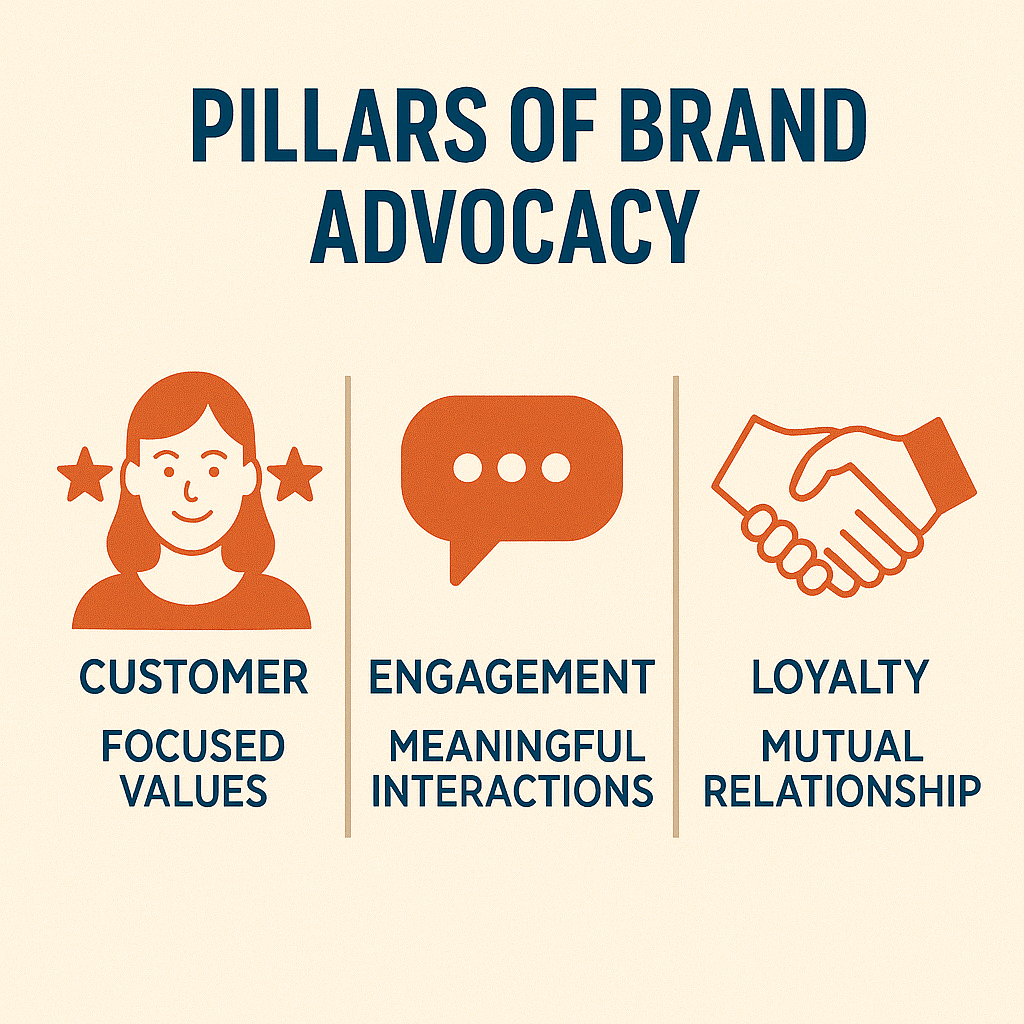
A successful brand advocacy program is built on three pillars: identification, engagement, and empowerment.
- Identification: Start by recognizing your biggest fans. These could be repeat customers, active social followers, or community members who already recommend you.
- Engagement: Build relationships with these advocates through personalized communication, special offers, or exclusive opportunities. Make them feel seen and valued.
- Empowerment: Give advocates tools to share their experiences — social share graphics, hashtags, referral links, or early access to launches. When customers feel empowered, they’ll tell your story in their own words.
These elements ensure your advocacy program isn’t transactional but relational.
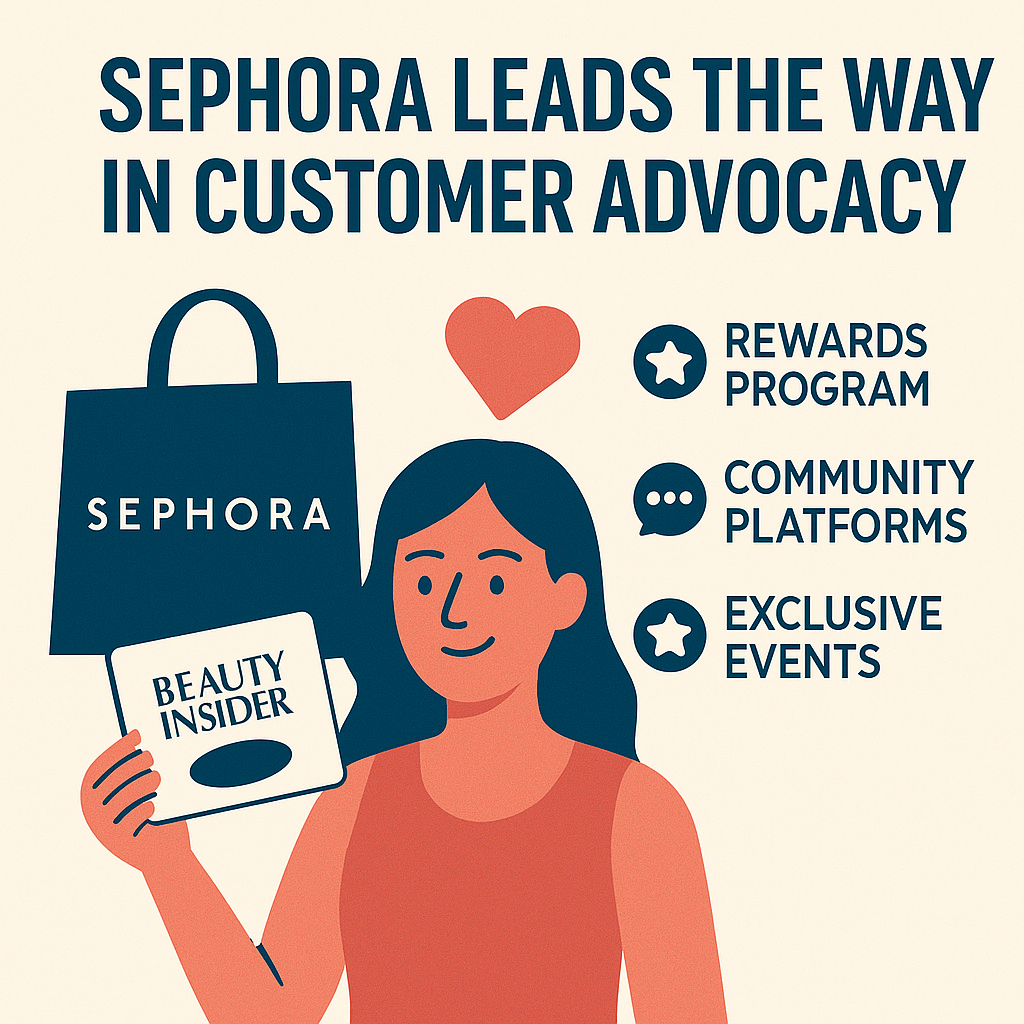
Real-World Example: Sephora’s Beauty Insider Community
Few brands illustrate advocacy better than Sephora. Through its Beauty Insider program, Sephora has built a thriving community of customers who don’t just buy products but actively promote them. Members earn points, receive exclusive access to products, and are invited to engage in online forums where they share reviews and tutorials. This program turns customers into vocal advocates whose recommendations carry more weight than traditional ads. For small businesses, the lesson is clear: advocacy doesn’t have to be global to be powerful. Even a modest referral or loyalty program can transform customers into champions for your brand.
The Role of Technology in Advocacy
Technology makes advocacy scalable. Social media platforms, referral software, and customer relationship management (CRM) systems allow businesses to track, reward, and engage advocates at scale. For example, tools like Influitive or ReferralCandy give small businesses affordable ways to launch structured advocacy initiatives. At the same time, organic methods — such as encouraging user-generated content with branded hashtags — remain powerful. Technology doesn’t replace human connection; it enhances it, making it easier to recognize and reward advocates while expanding your brand’s reach beyond traditional channels.
Measuring the Impact of Brand Advocacy
An advocacy program isn’t guesswork — it should be measurable. Key metrics include referral traffic, new customer acquisition, repeat purchase rates, and social media engagement. For instance, tracking how many new customers come through a referral program provides tangible evidence of ROI. Similarly, monitoring online mentions and user-generated content can indicate whether advocacy is taking root. Remember, the goal of advocacy isn’t just more sales — it’s stronger relationships that drive long-term growth. By tracking both quantitative and qualitative outcomes, you ensure your program remains both credible and effective.
Common Mistakes to Avoid in Advocacy Programs
Just like brand storytelling or credibility, advocacy efforts can fail if mishandled. One mistake is making advocacy feel transactional — rewarding customers only with discounts instead of real connection. Another is ignoring your advocates after their initial participation. Lastly, failing to align advocacy with your overall brand story creates disjointed messaging. Advocacy should feel authentic, not forced. Customers should advocate because they believe in your brand, not because they’re bribed to do so. Next week’s post will explore this further in “How to Rebrand Without Losing Your Audience,” Week 4 of our series, Building Strong Brand Foundations.
Advocacy as a Growth Engine
When customers become advocates, they extend your marketing reach, amplify your credibility, and strengthen your community. Building an advocacy program doesn’t require massive budgets — it requires clarity, strategy, and genuine connection. In general, the organizations that thrive will be those that don’t just market to customers but empower them to market for the brand.
Your most loyal customers are your most powerful marketers. Learn how to turn satisfied clients into vocal advocates using the Building Strong Brand Foundations Playbook & Toolkit — complete with advocacy templates, referral program ideas, and engagement trackers. Buy the Playbook & Toolkit!
Ready to launch your own advocacy program? Contact Vivid Creative Services to get started.