
Part 4 of 5: “Beyond the Cup: How Local Businesses Can Score Big with World Cup Visitors”
The Real Win Comes After the Final Whistle
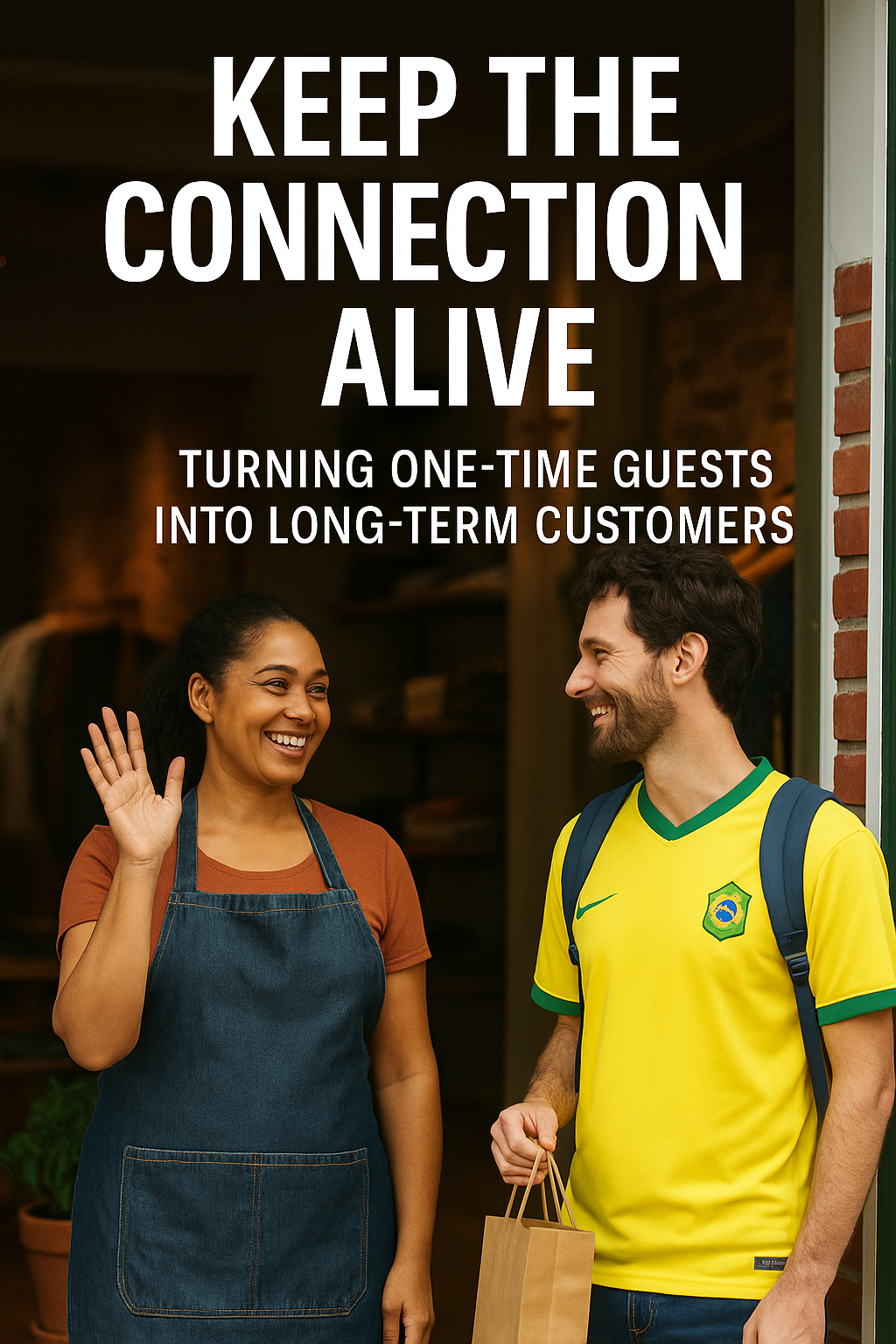
During World Cup 2026, your business may gain exposure to more new customers in one month than it does in an entire year. But exposure doesn’t equal loyalty. While getting tourists through the door is a great start, the real opportunity lies in what happens after their visit. Many local businesses focus on short-term promotions during major events but fail to capture long-term value by building ongoing relationships. In this week’s blog, we’ll explore how to turn one-time visitors into long-term customers—through digital follow-ups, social engagement, email marketing, and thoughtful customer retention strategies that extend far beyond game day.
Step 1: Capture Information While the Experience Is Fresh
The most critical window for building an ongoing relationship is immediately after a customer has had a positive experience with your business. If you wait too long to follow up—or never follow up at all—you risk becoming just another place they visited and forgot. That’s why it’s vital to capture contact information while interest is high.
Make it easy for visitors to stay connected.
- Use QR codes that link to digital sign-up forms or offer free Wi-Fi in exchange for an email address.
- Ask guests to join your loyalty program or follow you on social media with a clear incentive—such as a discount, free item, or exclusive offer.
- You can even use a branded guestbook, photo wall, or contest entry form to encourage interaction.
The key is to ensure that every visitor leaves with a simple, non-intrusive way to stay in touch with your brand.
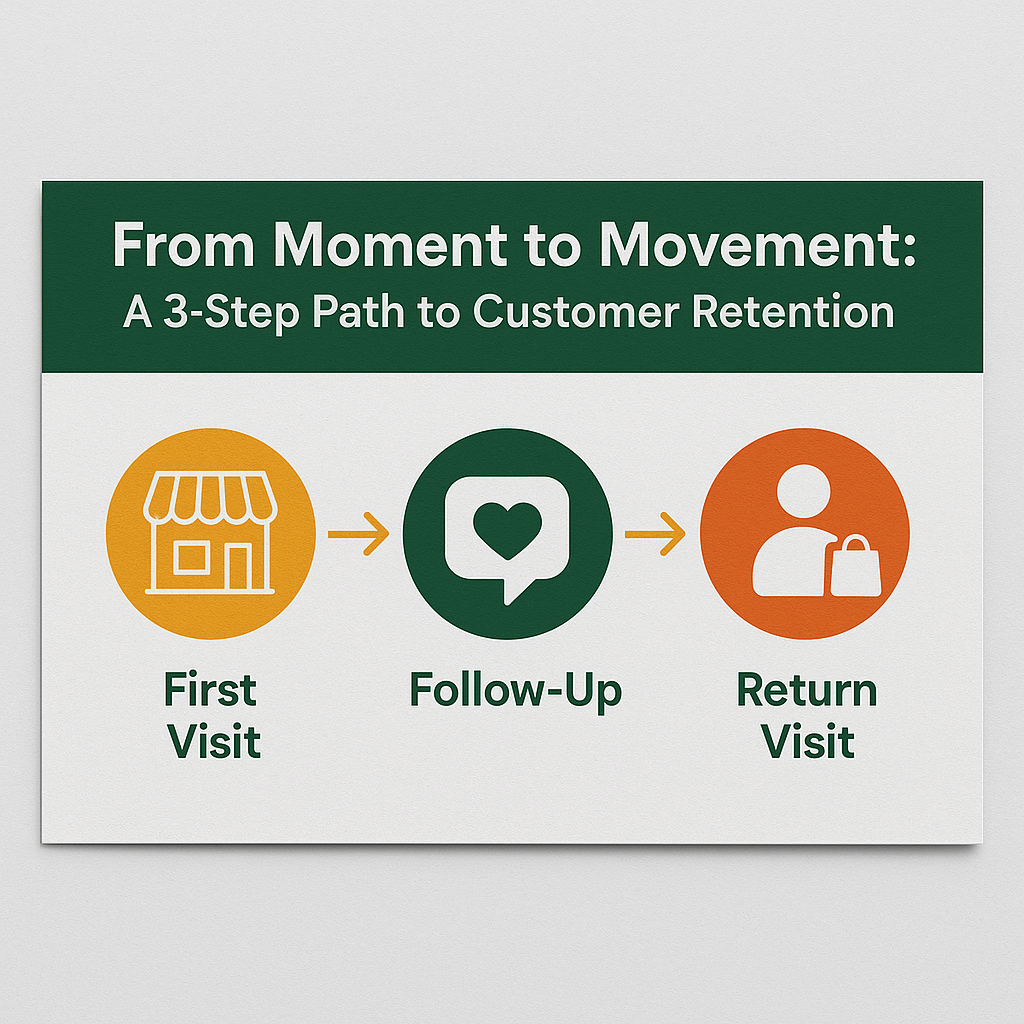
Step 2: Follow Up with Purpose and Personalization
Once you’ve captured contact information, don’t let it sit idle. A timely, well-crafted follow-up message is your chance to reinforce your brand and show appreciation. Within 24–72 hours of a visitor’s experience, send a thank-you email that includes a photo, a recap of their experience (if possible), and an invitation to connect further.
Personalized follow-ups make a difference.
- Use their name if possible, reference the product or service they enjoyed, or include a local memory—like “Thanks for joining us during the Mexico vs. Argentina match!”
- Provide a compelling reason to return, such as a coupon they can use online or a gift if they refer a friend.
- Include links to follow your social pages, leave a review, or sign up for ongoing communications.
This type of thoughtful digital touch makes your business feel less transactional and more relational.
Step 3: Use Email to Create a Customer Journey, Not Just a Sale
Email remains one of the most effective and affordable tools for nurturing customer relationships, especially when built into a strategic customer journey. After your initial thank-you, consider creating a short-automated series that continues the conversation.
Here’s an example:
- Day 1: Thank You + 10% Off Coupon
- Day 5: Story About the Business + Staff Highlights
- Day 10: Local Travel Tips + Favorite Customer Photos
- Day 14: Invitation to Follow on Social Media + “Refer a Friend” Offer
- Day 30: Final Reminder + Survey or Review Request
This cadence creates a rhythm of communication that feels friendly, not salesy. It reinforces your brand identity and invites your new customer to take a more active role in your business community. If you can segment your audience by origin (e.g., local vs. out-of-town), you can tailor the content even further.
Step 4: Build Digital Bridges for Continued Engagement
Even if your customer lives thousands of miles away, you can still maintain a valuable relationship through your digital brand channels. Social media is a natural extension of the in-person experience—so make sure your content speaks to both locals and past visitors.
- Use Instagram Stories to highlight new products or customer shoutouts. Share “Throwback Thursday” posts from World Cup week or highlight fans who visited from different cities and countries.
- Run social media contests asking people to share what they brought home from your store or their favorite memory.
These tactics don’t just drive visibility—they create belonging. Your visitors want to feel like they’re still part of something special.
Don’t forget about retargeting ads, either. If you’ve installed a Meta Pixel or Google Tag on your website, you can run targeted ads to people who’ve interacted with your site or social content, keeping your brand top of mind long after the trip ends.
Step 5: Create Compelling Reasons to Reconnect
Customers need a reason to re-engage. That’s why campaigns designed for re-entry—even digital ones—are key to converting short-term visits into long-term value. Consider offering an “Anniversary Thank You” email a year after their visit or sending a World Cup-themed reminder every six months.
If you offer online ordering, shipping, or digital products, invite customers to make a second purchase with an exclusive “Thank You for Visiting” deal. You could even launch a “Global Fans” VIP group that includes early access to new items or exclusive content.
For local tourists, invite them back with location-based promotions tied to future city events, concerts, or sports games. Highlight their past visit by saying, “We loved hosting you during the World Cup—come see what’s new!” These small gestures show that you remember your customers and value the relationship.
Step 6: Encourage and Leverage User-Generated Content
When a customer shares their experience with your brand online, they become your best marketing tool. Encourage visitors to post photos or reviews on platforms like Google, Yelp, TripAdvisor, or social media. Make this request part of your exit strategy—include it on your receipt, menu, thank-you card, or in a follow-up email.
- You can also create dedicated hashtags, branded stickers for Instagram Stories, or photo contests that give guests something fun to engage with.
- Reward participation with a discount code, shout-out, or small prize.
Every time someone shares a photo or story from your business, it helps build social proof and trust with future customers—especially other tourists doing their research before arriving.
The World Cup Is a Starting Line, Not a Finish Line
The World Cup will give your business the chance to serve people from all over the world. But real brand growth comes not from foot traffic alone, but from the relationships you build and sustain after the crowds have gone home. With a smart retention strategy—including digital follow-ups, email journeys, social engagement, and thoughtful incentives—you can keep the connection alive.
Next week, in the final post of our “Beyond the Cup” series, we’ll show you how to turn this once-in-a-generation moment into a long-term growth strategy—with branding, advertising, and community partnerships that extend far beyond 2026.
Turn this moment into momentum.
Use the World Cup as your launchpad for long-term success.
👉 Get the Visitors Welcome Playbook or [Partner with VCS to Build a Growth Strategy]