
No matter how creative your ad is, it won’t succeed if it’s shown to the wrong people. One of the most critical steps in advertising campaign planning is identifying and targeting the right audience. Knowing who your message is for ensures your campaign resonates, drives action, and delivers a better return on investment. Whether you’re promoting a service, event, or social initiative, audience targeting allows you to speak directly to those most likely to care. In this blog, we’ll show you how to define, reach, and refine your target audience so every marketing dollar counts.
Knowing Your Audience Is Vital
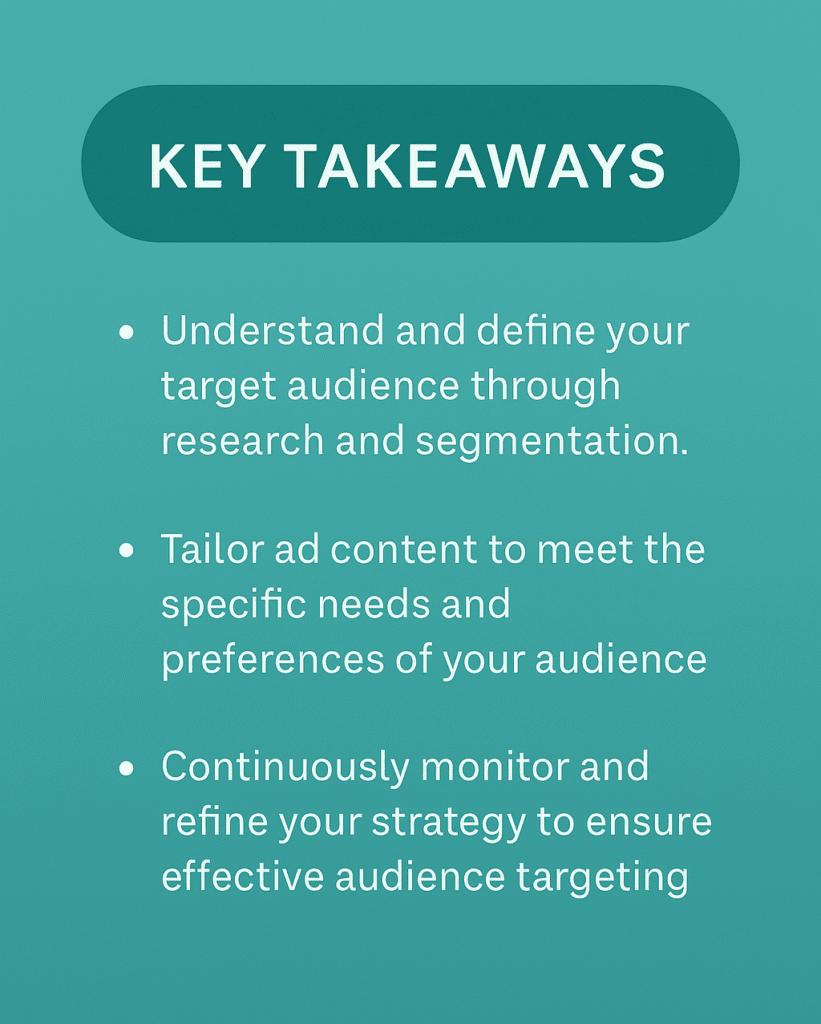
The first step in audience targeting is developing a clear customer or community profile. Start with demographics like age, gender, location, and income level, but don’t stop there. Go deeper by exploring psychographics—values, interests, pain points, and behaviors. What problems does your product or service solve? Why would someone care about your mission or offering? By creating a detailed audience persona, you can ensure your messaging is both relevant and emotionally compelling. This groundwork sets the stage for choosing the right advertising platforms and content tone.
Reach Your Audience
Once you know who you’re targeting, the next step is selecting the best media channels to reach them. For example, if your audience skews younger and visual, platforms like TikTok or Instagram may be more effective than email or direct mail. Conversely, professionals or older audiences may respond better to LinkedIn, Facebook, or newsletters. Tools like Meta Ads Manager and Google Ads allow you to filter audiences based on geography, behavior, and interests, so your ads show up where your audience already spends time. Matching message with medium not only improves performance but also minimizes wasted spend.
Real World Case Study: FreshHarvest Co-op
Consider the case of FreshHarvest Co-op, a local food cooperative that wanted to boost CSA subscriptions among young urban professionals. Initially, they ran general Facebook ads to a broad local audience and saw very little engagement. After analyzing survey data and reviewing Google Analytics, they refined their targeting to focus on 25- to 40-year-olds in high-density ZIP codes, with interests in sustainability, healthy living, and farmers markets. They created custom ad visuals featuring diverse young professionals and messages about convenience and eco-consciousness. The result? Subscriptions increased by 60% in six weeks, and their cost-per-click dropped by 45%. Their success was rooted in aligning their message with the values of the right audience.
Go To Your Audience
Targeting the right audience isn’t just about demographics—it’s about understanding motivation and meeting people where they are. When you align your message with audience values and choose the right channels, your campaign becomes more powerful, personal, and profitable. Whether you’re working with a large budget or limited resources, audience targeting ensures that your message reaches those most ready to act. In next week’s post, we’ll show you how to develop compelling ad creative that turns attention into action. Until then, remember: when you speak to everyone, you reach no one—so speak to the people who matter most.
Stop guessing—and start connecting with the audience that matters most. Get the tools and insights you need to define, reach, and inspire your ideal customers with The Advertising Campaign Playbook & Toolkit.
🎯 [Buy your copy now] or [Reach out to Vivid Creative Services] to create a campaign that converts attention into action.